
5 Facts About Hormonal Acne

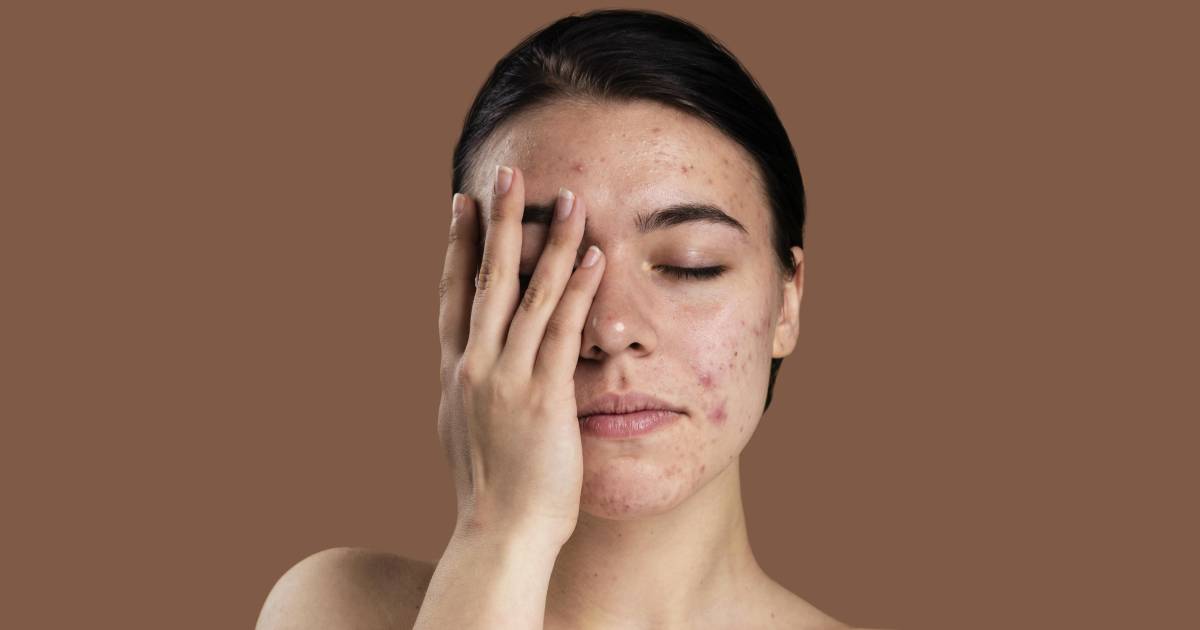
Hormonal acne is a common skin condition that affects many individuals, particularly during puberty, menstruation, and hormonal fluctuations. Understanding this type of acne is crucial for effective management and treatment. Here, we’ll explore five essential facts about hormonal acne some facts you may not have known to help you better grasp this skin concern.
1. Appears after age 25
Hormonal acne is not limited to teenagers; many adults experience it too. Factors like stress, certain medications, and hormonal imbalances can trigger acne breakouts in adulthood.
2. More common in women
Many individuals experience hormonal acne in relation to their menstrual cycle. Breakouts often occur a week before menstruation when estrogen levels drop, and androgen levels rise.
3. Appears in the chin and jawline
Common areas affect by hormonal acne are typically along the chin, jawline, and lower cheeks. These areas have a higher concentration of oil glands, making them more susceptible to breakouts during hormonal fluctuations.
4. It forms breakouts, blackheads, whiteheads to painful cysts
Hormonal fluctuations in androgen levels trigger acne. They stimulate the skin’s sebaceous glands to produce more oil. Excess oil can clog pores and lead to the development of acne lesions.
5. You can use specific skincare products to control this
Managing hormonal acne involves a combination of lifestyle changes and targeted skincare. Here are some effective treatment approaches:
- Topical Retinoids: These derivatives of vitamin A can help unclog pores and reduce inflammation, making them a popular choice for hormonal acne treatment.
- Oral Contraceptives: For females, certain birth control pills can regulate hormone levels and improve hormonal acne.
- Spironolactone: This medication blocks androgen receptors and is sometimes prescribed for hormonally influenced acne.
- Anti-Androgen Medications: Other anti-androgen medications may be prescribed to help control hormone-related breakouts.
- Skincare Routine: Incorporate a gentle cleanser, non-comedogenic moisturizer, and products with ingredients like salicylic acid or benzoyl peroxide to help manage acne-prone skin.
Hormonal acne is a skin condition that can affect individuals of all ages, triggered by hormonal fluctuations and androgen stimulation. Understanding the common areas of occurrence and its connection to the menstrual cycle can help identify hormonal acne. Effective treatment approaches and maintaining a consistent skincare routine with suitable products is essential for keeping acne-prone skin under control. Remember to consult with a dermatologist for personalized advice and treatment options based on your specific skin type and concerns. With proper care, you can achieve clearer and healthier-looking skin even with hormonal acne.


