
How to Treat Facial Atopic Dermatitis

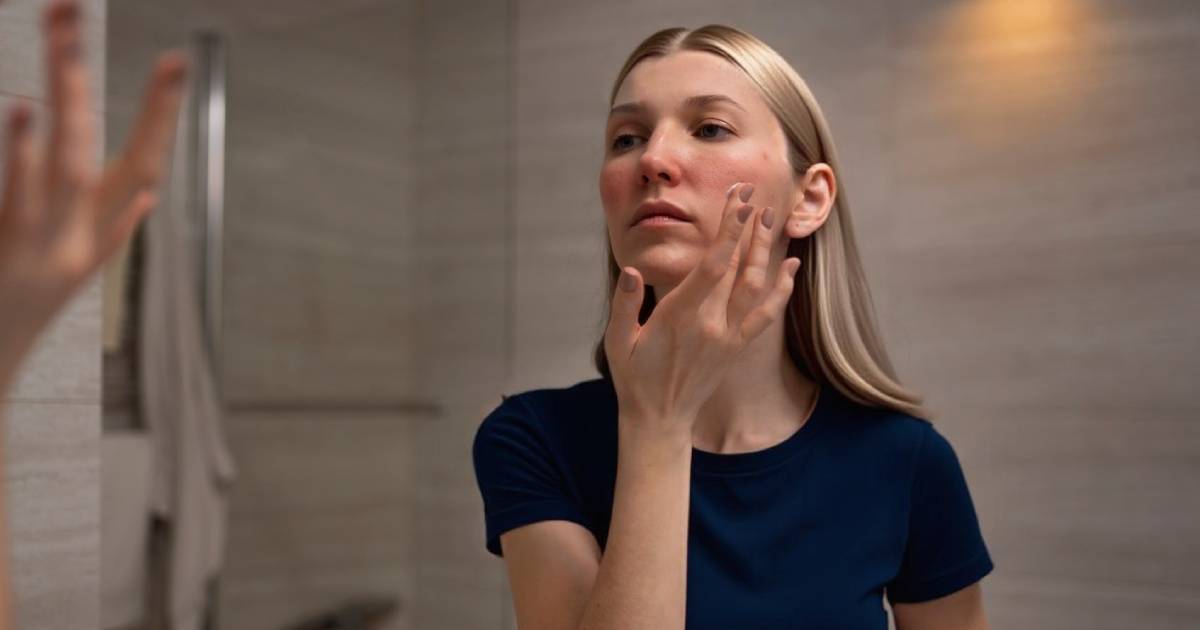
Facial atopic dermatitis, commonly known as facial eczema, can be painful, itchy, and frustrating to manage. This chronic skin condition causes inflammation, redness, dryness, and flaking — especially on sensitive facial skin. Triggers vary, and managing symptoms requires a combination of proper skincare, lifestyle adjustments, and sometimes medication. Here, we’ll break down how to treat facial atopic dermatitis with dermatologist-approved tips, gentle product recommendations, and effective daily habits.
What Is Facial Atopic Dermatitis?
Facial atopic dermatitis is a type of eczema that appears on the face — often around the eyes, nose, mouth, and cheeks. It’s an inflammatory condition characterized by:
- Red, itchy patches
- Flaking or peeling skin
- Burning or stinging sensations
- Swelling or rough texture
It can be triggered or worsened by allergens, weather changes, harsh skincare products, stress, or underlying conditions like asthma or allergies.
Best Skincare Practices for Facial Atopic Dermatitis
1. Use a Gentle Cleanser:
Avoid foaming or heavily fragranced cleansers. Choose non-soap, hydrating, pH-balanced formulas that cleanse without stripping the skin. Look for:
- Fragrance-free labels
- Ceramides and glycerin
- Cream or lotion textures
2. Moisturize Immediately After Cleansing:
Hydration is key. Apply a rich, soothing moisturizer within 60 seconds of cleansing to lock in moisture and strengthen the skin barrier. Top Ingredients:
3. Avoid Common Irritants
Steer clear of ingredients that can trigger flare-ups:
- Alcohol
- Synthetic fragrances
- Sulfates
- Harsh exfoliants or scrubs
4. Use Prescription or Over-the-Counter Treatments:
Mild to moderate flare-ups may respond to OTC hydrocortisone creams. More persistent symptoms might require prescription topical steroids or calcineurin inhibitors like tacrolimus or pimecrolimus.
Don’t Forget: always consult a dermatologist before starting any new medicated treatment.
5. Protect Your Skin with Sunscreen:
Even sensitive skin needs sun protection. Choose mineral-based (physical) sunscreens with zinc oxide or titanium dioxide. Look for: SPF 30 or higher, hypoallergenic, fragrance-free formulas
6. Avoid Hot Water and Long Showers
Hot water can strip your skin’s natural oils and worsen dryness. Use lukewarm water and keep your showers short.
7. Use a Humidifier
Especially in winter, dry indoor air can trigger dermatitis. A humidifier helps maintain skin hydration by adding moisture to the air.
Lifestyle Tips to Help Treat Facial Atopic Dermatitis
- Keep Calm: Stress can worsen flare-ups. Try yoga, meditation, or journaling.
- Watch Your Diet: Some people find relief by avoiding dairy, gluten, or processed foods.
- Keep Nails Trimmed: To avoid damaging your skin while scratching during flare-ups.
- Choose Soft Fabrics: Avoid wool or synthetic materials near your face.
FAQs
Q: Is facial atopic dermatitis contagious?
A: No, it’s not contagious. It’s an inflammatory skin condition and cannot be spread to others.
Q: Can makeup worsen facial eczema?
A: Yes, especially if the products contain fragrances, alcohol, or other irritants. Use hypoallergenic, non-comedogenic makeup and always patch test.
Q: What’s the best moisturizer for atopic dermatitis on the face?
A: Look for thick, fragrance-free creams with ceramides, colloidal oatmeal, or hyaluronic acid. Brands like CeraVe, La Roche-Posay, and Vanicream are great choices.
Q: Can children and adults use the same treatments?
A: Some ingredients (like certain steroids) should be used with caution in children. Always check with a pediatrician or dermatologist.
Managing facial atopic dermatitis takes consistency, patience, and a gentle skincare approach. Avoiding triggers, using barrier-repair moisturizers, and consulting a dermatologist when needed can help reduce flare-ups and soothe irritated skin. By building a routine that nourishes and protects your skin — not just treats it — you can regain comfort and confidence in your complexion.
Your skin deserves kindness. Start with gentle care today!


