
Understanding Skincare Expiration Dates

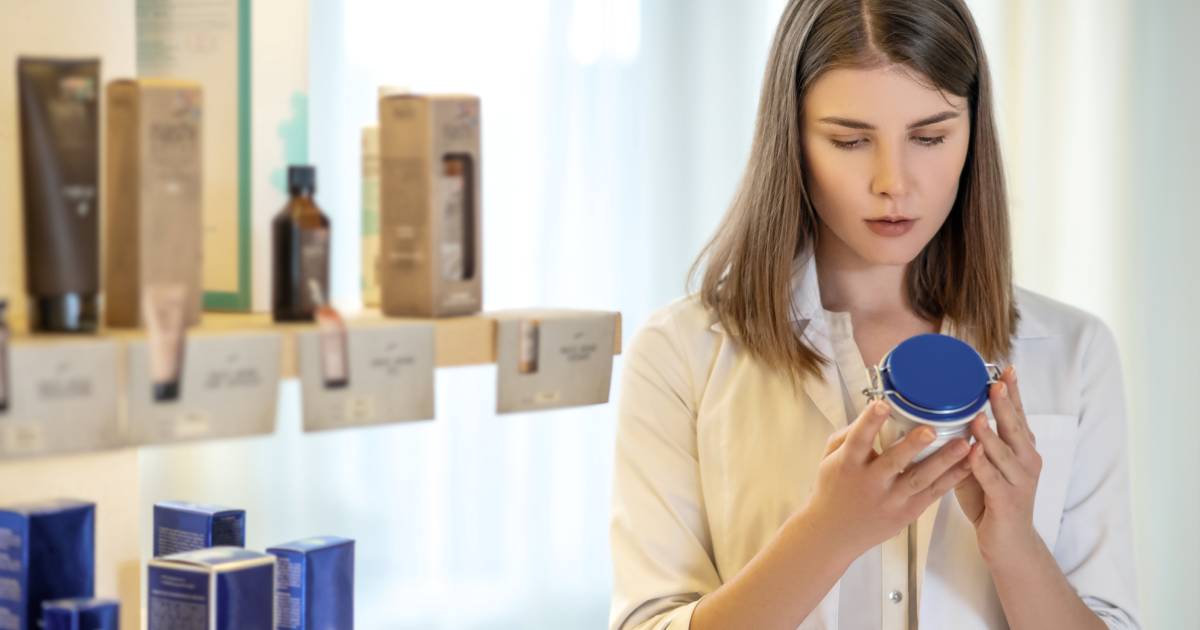
Your skincare routine is a cherished self-care ritual, but have you ever wondered if your beloved products are still safe and effective? Understanding skincare expiration dates is crucial for maintaining healthy skin and getting the best results from your products. Here, we’ll delve into the world of skincare expiration dates, how to understand those mysterious codes, and what to do with expired products.
Decoding Skincare Expiration Dates
When accounting the lifespan of a product you need to consider 2 options:
- Period after opening, that is related to how long people can use the cosmetic product after opening and using it for the first time.
- The expiration date, that is the limit date by which the product is still valid, wether used or not by the consumer.
Period After Opening (PAO)
Skincare products with a lifespan longer than 30 months typically come with a Period After Opening (PAO) symbol, denoted by an open jar icon, followed by a number and the letter ‘M.’ For example, “12M” means the product should be used within 12 months after opening. Here’s how to navigate these dates:
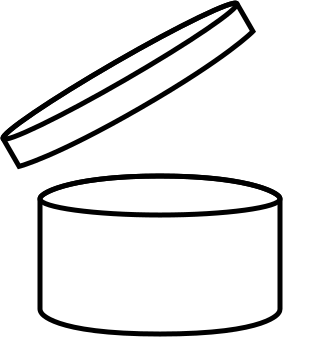
- PAO Symbol: is the key to understanding how long your product remains safe and effective after opening.
- Number: it represents the number of months a product remains stable and safe for use once opened.
- Letter ‘M’: it stands for “months,” indicating the time unit for the PAO.
Expiration Date
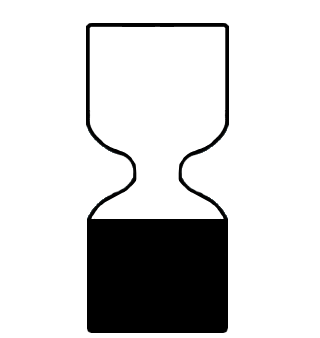
On the other hand, if the cosmetic product has a lifespan of less than 30 months, then this product come with an Hourglass symbol, followed by the expiration date.
Exceptions
There are also products that are not affected by these times, because they will not deteriorate in normal use. Some of those products are, for example:
- Products in containers that are effectively sealed, like aerosol dispensers, airless containers…
- Perfumes, due to their high alcohol content.
- Single use products.
Why Expiration Dates Matter
Using skincare products after their expiration date can lead to several issues, including:
- Reduced Efficacy: expired products may not work as effectively as they should, leading to unsatisfactory results.
- Skin Irritation: using expired products can cause skin irritation, redness, or breakouts due to changes in the product’s chemical composition.
- Ineffectiveness: ingredients in skincare products degrade over time, rendering them less effective.
How to Extend Product Life
To make your skincare products last longer and maintain their potency:
- Store Wisely: keep products in a cool, dry place away from direct sunlight and extreme temperatures.
- Close Lids Tightly: properly sealing product containers can prevent contamination and extend their shelf life.
- Keep Tools Clean: wash and sanitize any tools or brushes you use with your skincare products regularly.
FAQs
Q: Can I still use a product after its expiration date?
A: It’s best not to use products past their expiration date. They may not be effective or could cause skin issues.
Q: Do natural or organic products expire faster?
A: Natural and organic products often have shorter shelf lives due to fewer preservatives, so it’s essential to use them up promptly.
Q: How can I tell if a product has gone bad?
A: If a product changes in color, smell, or texture, it’s likely gone bad and should be discarded.
Understanding skincare expiration dates is the key to maintaining a safe and effective skincare routine. By following these guidelines and being mindful of product lifespans, you can ensure your skin remains healthy, radiant, and well-cared for. Don’t let expired products compromise your skincare goals—use this knowledge to make the most of your beloved skincare items.


